How to Elevate Your Chicago Business With Targeted Local SEO Strategies
Targeted local SEO for Chicago means picking the neighborhoods and searches that pay, then building your profile, pages and reviews around them.
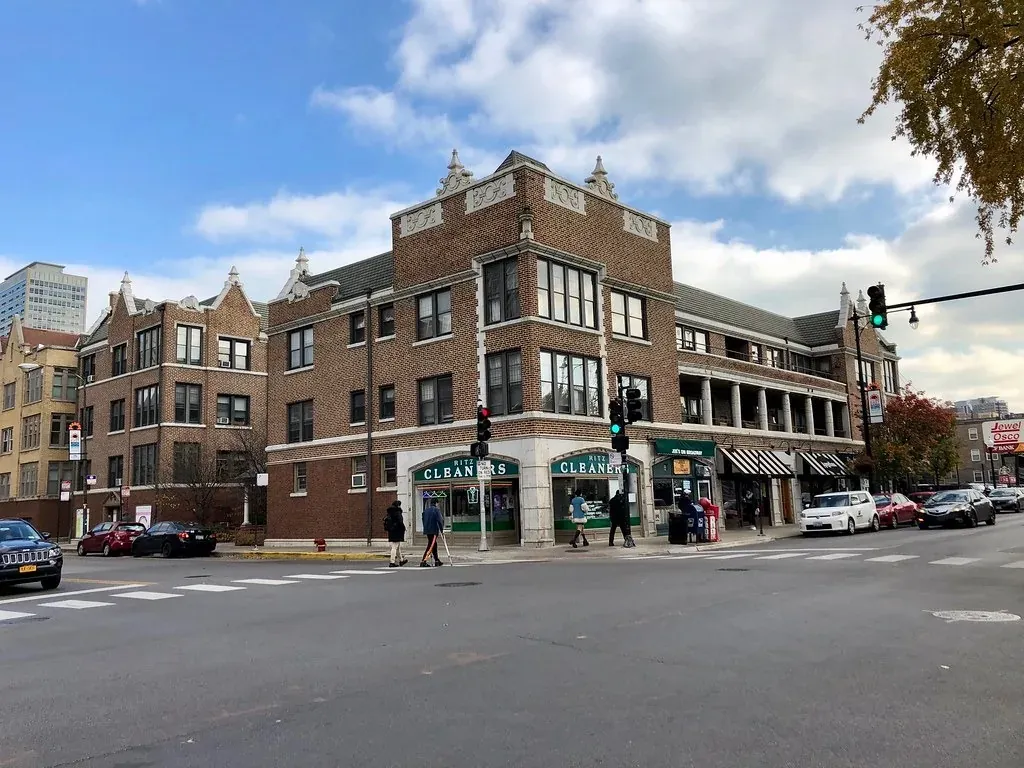
“Chicago” is too big to be a target. The city has 77 official community areas and well over a hundred neighborhoods people use in conversation, and a customer in Rogers Park sees different map results from a customer in Beverly searching the same words. Targeted local SEO starts from that fact. You pick the places and searches where you can win, and you build everything around them.
Why does a citywide approach underperform in Chicago?
Google ranks local results on three things: how relevant you are to the search, how far you are from the searcher, and how prominent your business is. You can’t change the distance part. In a dense city there is usually a competitor within a few blocks of any searcher, so Google rarely has to reach far to fill the three map pack spots.
That is why so many Chicago businesses rank well near their own front door and disappear a couple of miles away. We wrote about this in more detail in why your Google Business Profile stops working three miles away. A citywide strategy spreads effort across places where proximity has already decided the result.
How do you choose which neighborhoods and searches to target?
Start with your own jobs or customers from the last year and plot where they came from. Most businesses find a cluster around the shop or office, plus two or three areas further out that bring in the best work. Those areas are your targets.
Then list the searches that actually lead to revenue. For a plumber that is “water heater replacement” and “sewer line repair”, not “plumbing tips”. For an accountant it is “small business CPA” and “tax preparation for contractors”. Search volume matters less than intent here. A search with 50 monthly users who are ready to buy is worth more than one with 5,000 who are browsing.
The result should be a short list: perhaps three neighborhoods and ten services. That list decides what goes on your profile, what pages you build and what your reviews should mention.
What should your Google Business Profile do for those targets?
Your profile is the single biggest local ranking asset you control. Choose the primary category that matches your main revenue, add secondary categories for the rest, and fill in services with the same wording customers use. Keep hours accurate, including holidays, and post photos of real jobs in the neighborhoods you are targeting.
Don’t put keywords or neighborhood names into the business name. Google’s guidelines forbid it, and competitors do report it. Our step-by-step guide to improving your Google My Business ranking in Chicago goes through the profile settings one at a time.
Which website pages help you rank in specific neighborhoods?
The profile gets you into the map pack near your address. Further out, relevance has to come from your website.
A page for each target area works when it contains things only a local business would know: the housing stock, typical problems, parking or access issues, permit quirks, the jobs you have done there. A page that swaps “Lincoln Park” for “Lakeview” in otherwise identical copy does nothing, and Google has had years of practice spotting the pattern.
Pair those area pages with service pages that answer the questions buyers ask before they call. What does it cost, how long does it take, what can go wrong. These pages rank in organic results under the map pack, which is the second chance to be found when proximity keeps you out of the top three.
Where do reviews and local links come in?
Prominence is the factor you build over time. Reviews are the most visible part of it. A steady flow of recent reviews tells Google and customers that you are active, and reviews that mention the service and the neighborhood (“fixed our boiler in our Logan Square two-flat”) add relevance as well.
Local links do similar work. Sponsoring a neighborhood festival or youth team, joining your chamber of commerce, or being quoted in neighborhood news coverage earns links that tie your business to a specific part of the city. A handful of genuinely local links does more than dozens of generic directory links.
What does a targeted Chicago local SEO engagement look like with us?
This is the work our local SEO service is built around. We start by mapping where you rank today across your service area, block by block, rather than reporting one number for “Chicago”. From there we agree the target neighborhoods and searches, fix the profile and citations, and build the area and service pages that the map shows are missing.
We have spent 13 years doing this for more than 520 clients, and the most useful thing we tell most of them in the first month is which areas are not worth chasing. If you want that picture for your own business, the free business analysis shows where you rank now and which neighborhoods are realistic targets.
How do you know whether the strategy is working?
Track rankings by location, not as a single number. A grid of ranking checks across your target neighborhoods shows whether visibility is spreading outward from your address. Then tie it to calls, form fills and booked jobs from those areas, so you can see whether better rankings are turning into work.
Expect the map pack to respond within two to three months of profile and review work, and organic area pages to take three to six months. Our Chicago local SEO guide covers the longer timeline and the neighborhood-level detail if you want to plan a full year.