Storm Damage Marketing for Chicago Roofers
Storm Response Marketing Is Built Before the Storm
Hail demand arrives in hours and lasts days. Contractors who start building when the storm hits have already lost the window.
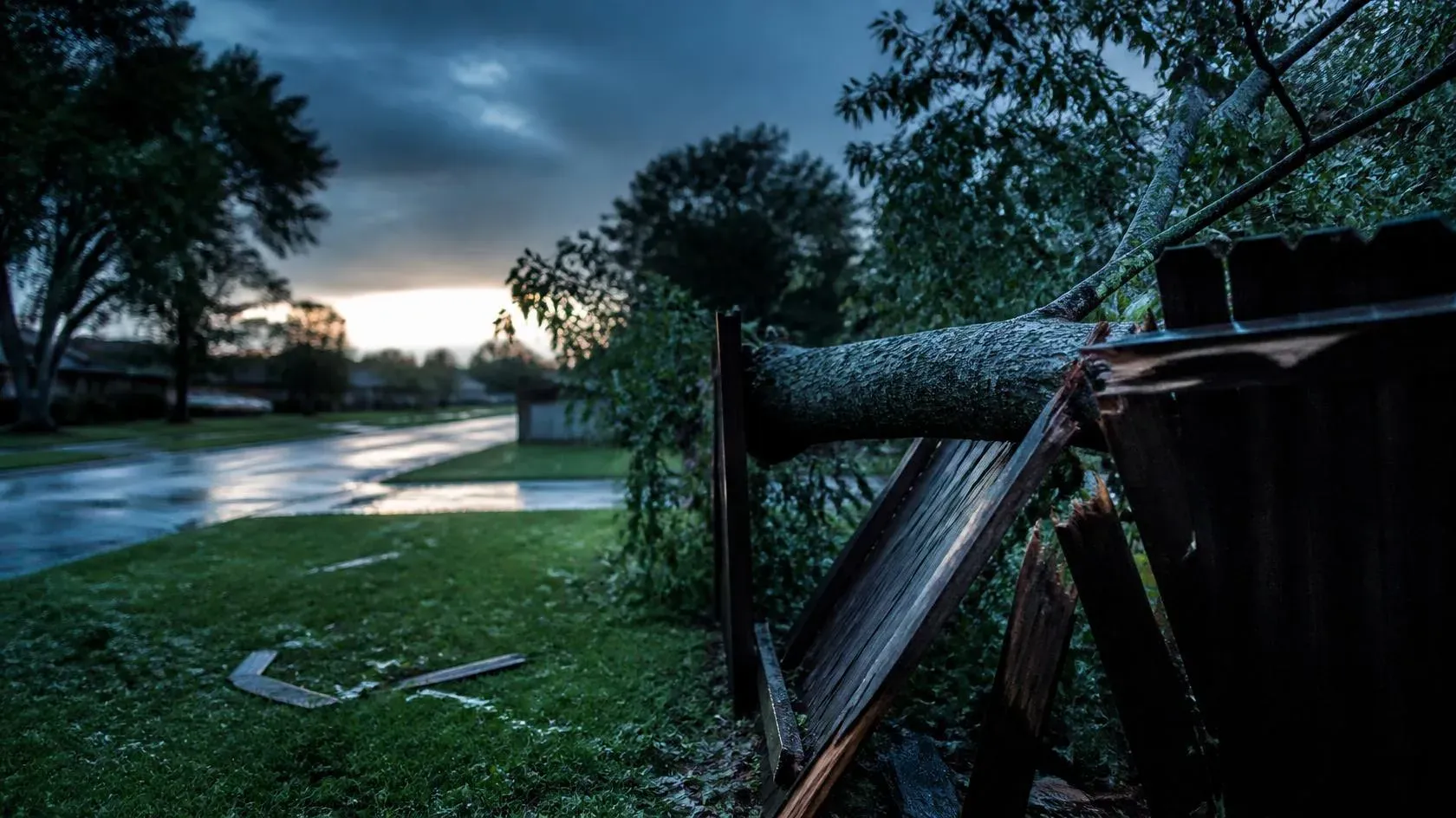
Every year we get the same call, usually about thirty-six hours after a significant hail event moves through the western suburbs. A roofer wants storm damage pages built and campaigns launched, and they want it today.
By then most of the opportunity is gone.
How short is the storm demand window?
Storm-driven search demand spikes within hours of an event and decays over a few days. Homeowners walk outside, see granules in the gutter or a dented downspout, and search. The ones who are going to act do so quickly, because insurance claims have deadlines and because a compromised roof is not something people sit on.
Out-of-state crews understand this timing perfectly, which is why they are knocking on doors in Naperville within forty-eight hours. They have the process industrialised.
Meanwhile the local roofer who has been serving those streets for fifteen years is calling an agency to ask about landing pages.
What has to exist before the storm hits?
A storm damage page, already indexed. A new page takes time to be crawled, assessed and ranked. Published during a storm, it will not do meaningful work until the demand has passed. Published in March, it is ready every time.
Campaigns built and paused. A Google Ads campaign with ad groups, keywords, negatives and a landing page assignment can sit paused indefinitely at zero cost. Activating it takes about ninety seconds. Building it from nothing takes days and the first week runs badly while it learns.
A Google Business Profile with recent photos and current reviews. This is the asset that decides whether a homeowner comparing three roofers picks you, and it cannot be assembled on demand.
Insurance claim content. The homeowner’s actual anxiety is not the roof, it is the claim — whether it will be approved, what the deductible means, how the adjuster and the contractor interact. Almost no roofer addresses this properly, and it converts better than anything about shingle warranties.
How do local roofers make their advantage visible?
Storm chasers arrive with budget and no history. No local reviews, no Illinois license visible in search, no completed work on nearby streets.
A local roofer has all three and usually fails to make them obvious. Reviews that name specific suburbs, content about local permit requirements, photos of jobs on recognisable streets — these are the signals a homeowner burned by a vanishing contractor is actively screening for.
Do not assume the contrast is obvious. Make it explicit.
What does it cost to have storm marketing ready?
Less than most people assume. A storm page, a paused campaign structure and a maintained profile is a few days of work once, plus periodic upkeep. Set against a single $15,000 replacement, it pays for itself on the first won job.
The alternative is competing for the same demand from a standing start, every time, against people who never stopped being ready.